
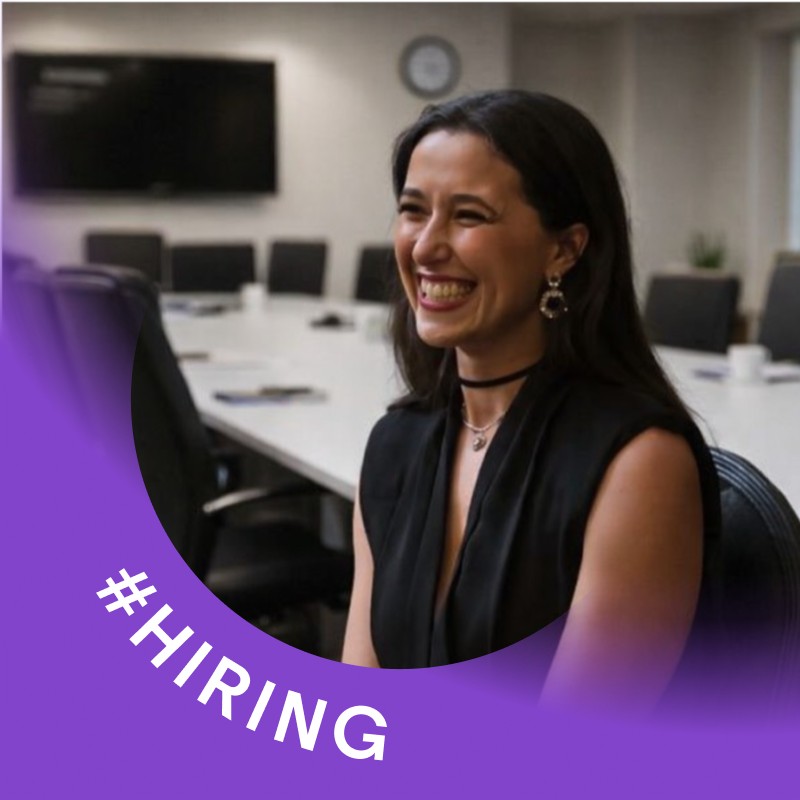


A couple of years ago, my mornings looked very different. I was living in London, working in recruitment and moving at the pace of a city that rarely slows down. Packed trains, crowded streets, meetings, calls and targets squeezed into days that never seemed long enough.
And I loved it.
I’ve always been someone who gets energy from taking action.I like being busy, having problems to solve, and feeling that I’m learning something. London gave me all of that, usually before lunch. It was a city that kept me curious, challenged, and surrounded by interesting people, and I think I did some of my best learning there.
Then I made a move that surprised even me. I stepped away from recruitment to take the reins of my family's agricultural business in the Alentejo.
Now my mornings start with seven cats (already a small operation in itself) and breakfast for my grandparents. Being close to them at this stage of their lives is a privilege.
The project I'm building has its roots in what they created before me, and having the chance to modernise it and build something of my own on top of that legacy carries a responsibility that's hard to explain. It also gives me an enormous sense of purpose.
Right now it's olive harvest season, so the days start even earlier. I get into my 1992 Land Rover Discovery, quite simply my dream car, and drive out to the olive groves as the sun comes up. The cold air before the day warms up. The silence slowly gives way to the sound of the teams starting work. No matter how early the alarm went off, it feels good to be there.
A few hours later, I'm at my laptop, discussing engineering profiles, candidate pipelines and whether the person with exactly the experience a client needs actually exists within the budget available.
The boots have changed. The problems are surprisingly familiar.
This year, I returned to recruitment by joining Hiire. I didn’t leave agriculture behind, nor did I want to. I found a place where I could keep building my business while going back to a profession I enjoy.
And I didn’t come back as the same person. Two years of running a business had taught me to decide with incomplete information, manage people, negotiate, navigate bureaucracy, and find a Plan B when Plan A stopped existing.
I wasn’t starting over. If anything, I came back with a few more scars, a lot more perspective and a much better understanding of how hiring looks from the other side of the table.
1. Plan A will change. Plan for it.
You can do everything right and still have no control over what happens next.
In agriculture, you can spend months preparing an investment, meet every requirement, and then a government programme changes. In recruitment, you can build an excellent pipeline, align every stakeholder, and then the project is frozen because the company's priorities shifted.
In both cases, there's a brief moment of "surely this must be a joke." And then you reorganise and keep going. Creativity doesn't always come from brainstorming sessions. Sometimes it appears because Plan A simply stopped existing. The hiring processes that cope best are the ones that expected change and kept alternatives open.
2. Good people are worth what they cost
Hiring is a two-sided conversation, and now I'm on both sides of it.
A client needs a senior engineer with a very specific technical background, strong communication skills, industry knowledge and immediate availability. You search. You finally find them. And then comes the small detail: they're above budget.
On the farm, it's exactly the same. I need experienced people, available at the right moment, for demanding and specialised work. I find them, and the market tells me what that expertise costs. They know what their experience is worth, and they're right.
Neither industry responds well to wishful thinking. The answer is to work out what's truly essential, manage expectations, and find the best balance between quality, availability, and investment. Running a business has made me far more aware of the pressure hiring managers are under. I still maintain, though, that unicorns don't appear just because we add three more requirements to the job description.
3. Think like an owner, not an order-taker
Agriculture reinforced something I've always believed: doing more doesn't mean doing better. You can work very hard and still get poor results if you're focused on the wrong things. Running a business also teaches you to look at every decision as an owner would, with the costs, the constraints, and the long-term consequences in mind.
That's the approach I bring as an embedded Talent Partner at a growing technology company. When I joined, there was no dedicated recruitment structure. Alongside managing hiring for several technical and non-technical roles, I've been helping build one: clearer interview stages, consistent candidate evaluation, structured feedback, and better communication with candidates.
I also work closely with the leadership team. Instead of just receiving a job description and going off to find CVs, we discuss the business need behind each role, challenge the requirements and look at what the market is realistically offering. Sometimes that means asking more questions. Sometimes it means telling a client the market is saying something different from what we expected. The goal isn't to fill a role at any cost. It's to understand both sides, represent them responsibly and create real value.
4. Flexibility works when there's trust
This harvest has made that particularly clear. Some mornings I'm in the olive grove early, overseeing the work and coordinating teams. A few hours later, I'm fully focused on recruitment.
Remote working makes it possible, but flexibility doesn't mean working less in either part of my life. It means planning carefully, communicating transparently, and delivering what I've committed to. And when we meet in person as a team, those moments have a purpose: sharing ideas, questioning how we work, and finding ways to improve together.
Flexibility works when there's trust. And trust is sustained by responsibility.
5. Know when to act, and when to wait
Agriculture is a humbling teacher. You prepare the soil, plant at the right moment, adjust, and then you wait. You can't ask an olive tree to hurry up because you have an important meeting next week.
But harvest season adds a twist: once the olives are ready, the window to act is short, and waiting too long costs you. Recruitment works the same way. Candidates have personal circumstances, budgets get reviewed, and processes take longer than planned, and not everything can be accelerated by another follow-up email. Yet when the right candidate appears, hesitating can mean losing them. The skill is knowing when acting will change the outcome and when patience is simply part of the process.
6. Two worlds, one way of thinking
Today I don't see agriculture and recruitment as two separate careers. Agriculture has made me more resilient, practical, and comfortable with uncertainty. Recruitment keeps me curious, connected to people and constantly learning.
London taught me to love being challenged. The Alentejo taught me to be patient. Recruitment is where the two meet.
Both come down to the same thing: looking at people decisions as an owner would, and having the judgement to know when to move fast and when to be patient.
Perhaps the greatest lesson from combining these two worlds is exactly that: do the best work possible, remain adaptable, and try not to lose your sense of humour when reality decides to change the plan once again.
Which experience outside recruitment has most changed the way you work with people?
Read our latest blog posts to increase your chances of being the perfect candidate.
In the AI space, a ‘hard-to-fill role’ refers to highly specialized positions where talent supply is scarce, competition from top employers is intense, and the required blend of technical expertise (e.g., machine learning, data engineering, MLOps) and business application experience is rare - resulting in significantly longer time-to-hire and higher cost-per-hire compared to standard roles.

How candidates form an impression of your organisation long before they meet your recruiters.
Tech salaries in 2026 are not increasing randomly. They are responding to a structural shift in how technical work is defined, delivered, and valued.

In today's competitive hiring market, candidate experience has become one of the most important factors in attracting and securing top talent.

Descobre os erros de recrutamento que afastam os melhores candidatos e como criar uma experiência que os atrai e retém ao longo do processo.

Learn how to hire and build high-performing remote teams. Practical strategies for sourcing, interviewing, and onboarding distributed talent.

Thinking about switching to tech? This practical guide covers the steps, skills, and mindset you need to successfully transition into a tech career.

A strong employer brand helps you hire faster and attract better candidates. Discover how employer branding directly impacts your recruitment results.

A bad hire costs more than you think — in time, money, and team morale. Learn how to spot red flags and make smarter hiring decisions from the start.

Struggling to hire top tech talent? Discover three proven talent acquisition strategies to build stronger engineering and product teams, faster.

Build a more diverse and inclusive tech team with these six actionable DEI hiring strategies designed to deliver results in 2025 and beyond.

Walk into your next interview with confidence. These 10 preparation tips will help you stand out, answer questions clearly, and land the job.

The right Applicant Tracking System can transform how a recruitment agency operates. Learn what to look for and why it matters for your team's success.

Remote recruitment comes with unique challenges around trust, authenticity, and assessment. Here's how recruiters can navigate them more effectively.

Great onboarding turns new hires into engaged, productive team members. Discover the key elements of an onboarding process that sets people up to succeed.

Your resume is your first impression. Learn how to write a resume that stands out, gets past ATS filters, and lands you more job interviews.

Recruitment is a high-pressure profession. Learn how to protect your mental health, manage stress, and build sustainable habits in a demanding industry.

A positive candidate experience builds your employer brand and helps you attract better talent. Learn how to make every interview interaction count.

Your LinkedIn profile is your digital first impression. Find out exactly what recruiters look for — and how to optimise your profile to get noticed.

AI is transforming how companies hire. Discover how recruiters and hiring managers can use artificial intelligence to source, screen, and hire better.

Transparency builds trust with candidates and improves hiring outcomes. Learn how being open throughout the recruitment process benefits everyone involved.

Read about Diana's experience joining Hiire as a Talent Acquisition Specialist — the culture, the challenges, and what makes working here different.

What's it really like to work as a Talent Partner at Hiire? Read a first-hand account of the experience, the growth, and what makes the role rewarding.


